Best Money Apps in 2026: A Practical Buyer’s Guide
Choosing the best money apps in 2026 is less about downloading the flashiest icon and more about matching a tool to the way you actually earn, spend, and save. The average smartphone owner now juggles three or four financial apps at once, and the wrong mix creates clutter, hidden fees, and security gaps. This guide breaks down what genuinely separates a great app from a forgettable one, so you can build a lean, powerful money stack that works for your real life.
Over the past year I have tested dozens of budgeting, payment, and investing tools across both iOS and Android. The patterns are clear: winners are fast, transparent about fees, and honest about how they make money. Losers bury costs and treat your data like a product.
What Makes the Best Money Apps Stand Out
Not every app deserves a spot on your home screen. The strongest performers share a handful of traits that hold up under daily use rather than a two-minute demo.
- Transparent pricing. Free tiers should be genuinely useful, and paid upgrades should be spelled out clearly.
- Bank-grade security. Look for encryption, biometric login, and accounts insured through a partner bank.
- Real-time syncing. Balances and transactions should update in seconds, not hours.
- Human support. The best money apps still let you reach a person when a transfer goes sideways.
If you want a curated shortlist that stays current, the roundup of best money apps is a useful starting point before you commit to any single platform.
Security should be non-negotiable
Financial apps are prime targets for fraud. According to the Consumer Financial Protection Bureau, mobile payment complaints have climbed sharply as adoption grows. Enable two-factor authentication, never reuse passwords, and confirm that deposits are held at an FDIC-insured institution.
Categories of Money Apps to Consider in 2026
Rather than hunting for one app that does everything, think in categories. A specialist tool almost always beats a bloated all-in-one platform.
Budgeting and tracking
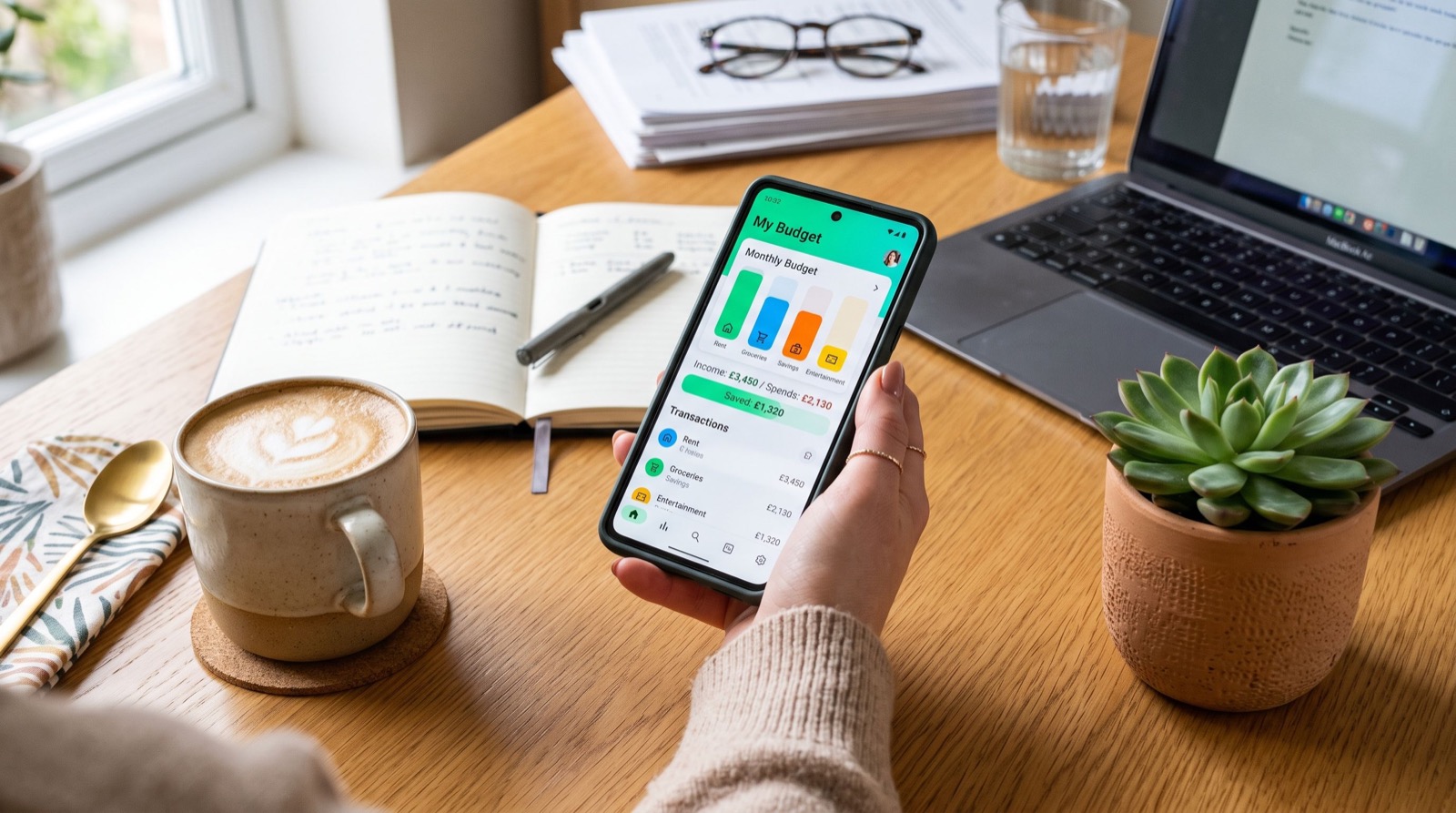
These apps connect to your accounts and sort spending automatically. They shine at showing where your paycheck actually goes and flagging subscriptions you forgot to cancel.
Peer-to-peer payments
Splitting rent, paying a friend back, or receiving freelance income is now instant. The best options settle transfers quickly and let you cash out without a surprise charge.
Saving and investing
Round-up savings, high-yield accounts, and fractional investing have made wealth-building approachable. Even small automatic contributions compound meaningfully over a few years.
Comparing the Best Money Apps by Feature
The table below summarizes what to weigh when you shortlist candidates. Prioritize the columns that match your primary goal instead of chasing every feature.
| App type | Best for | Typical cost | Watch out for |
|---|---|---|---|
| Budgeting tracker | Seeing all spending in one place | Free to $15/mo | Sync errors, upsells |
| P2P payments | Fast transfers between people | Free; fees for instant cash-out | Scams, no chargebacks |
| High-yield savings | Growing an emergency fund | Usually free | Rate drops, transfer delays |
| Micro-investing | Beginners building a habit | $1–$9/mo | Flat fees on small balances |
How Do You Pick the Right App for Your Goals?
Start with the single problem that bothers you most. If overspending keeps you up at night, a tracker is your priority. If you constantly split bills, a payment app matters more. Trying to solve everything at once usually leads to abandoned apps within a month.
Next, run a 30-day trial before paying for anything. Pay attention to how often you actually open the app and whether it changes your behavior. A tool you ignore is worse than no tool at all, no matter how many awards it wins.
Finally, layer in sound habits. Even the smartest app cannot fix a leaky budget on its own, which is why pairing your tech with proven personal finance tips delivers far better results than any download alone.
A quick real-world tip
Set your paycheck to auto-split the moment it lands: a fixed percentage to savings, a set amount to bills, and the rest to everyday spending. Automating the decision removes willpower from the equation and is the single change that helped most people I coached actually save.
Setting Up Your Money App Stack Safely
Once you have chosen your tools, connect them thoughtfully. If you need hardware or setup support for a small business rollout, an experienced local team can save hours of trial and error.
- Link only the accounts you actively use.
- Turn on transaction alerts for anything over a threshold you set.
- Review connected apps every quarter and revoke access you no longer need.
- Keep your phone’s operating system updated to close security holes.
Common Mistakes That Undermine Even the Best Money Apps
The right app can still fail you if you fall into a few predictable traps. Most of the frustration users report has nothing to do with the software itself and everything to do with how it is used day to day.
The first mistake is app overload. Installing six financial apps guarantees you will ignore most of them, and unused apps become forgotten security risks. Keep your stack lean and delete anything you have not opened in two months.
The second mistake is ignoring notifications. A push alert about an unusual charge is only useful if you actually read it. Treat every unexpected alert as worth thirty seconds of attention rather than something to swipe away.
The third and costliest mistake is chasing promotions. Sign-up bonuses and referral rewards are nice, but hopping between apps for a small perk fragments your finances and rarely pays off. Choose tools for the long haul and let the small bonuses be a bonus, not the strategy.
Match the app to your season of life
Your needs in 2026 will not be your needs in 2029. A student focused on avoiding fees has different priorities than a new parent building an emergency fund or a freelancer smoothing irregular income. Revisit your app stack once a year and be willing to graduate from a tool that no longer fits. The best money apps grow with you, but only if you check in and adjust as your goals change.
Frequently Asked Questions
Are the best money apps safe to use in 2026?
Reputable apps use bank-level encryption and partner with insured banks, so your deposits are protected. The bigger risk is usually user error, such as sending money to a scammer, so always verify recipients.
How many money apps should I really have?
Most people do well with two or three: one for budgeting, one for payments, and one for saving or investing. More than that tends to create confusion and forgotten subscriptions.
Do free money apps make money from my data?
Some do through advertising or referrals, while others earn interest on deposits or charge for premium features. Read the privacy policy and prefer apps that clearly disclose their revenue model.
Can a money app replace a traditional bank?
For many everyday tasks, yes, but check for FDIC insurance and reliable customer support before moving your primary balance. Some users keep a traditional account as a backup.
Final Thoughts
The best money apps in 2026 are the ones you will actually use, that keep your data safe, and that nudge you toward better habits. Start small, test before you pay, and build a stack that fits your goals rather than someone else’s feature checklist. With the right tools and a little discipline, your phone becomes one of the most powerful financial assets you own.