
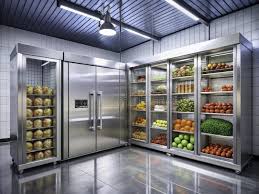
Across the global food, pharmaceutical, and logistics industries, one truth has become universally accepted among businesses that deal with temperature-sensitive products — the integrity of your cold chain is only as strong as the weakest link within it. And in a region as climatically demanding and commercially ambitious as Saudi Arabia, where summer temperatures regularly soar to extreme levels and where consumer expectations for product freshness and safety have never been higher, the quality of your frozen storage infrastructure is not merely an operational detail. It is the single most critical factor determining whether your products arrive at their destination in perfect condition or whether they represent a costly, reputation-damaging loss.
Frozen storage is the science and practice of preserving temperature-sensitive products in purpose-engineered facilities that maintain consistent sub-zero temperatures — typically ranging between -18°C and -25°C, though certain specialized applications demand even colder environments approaching -40°C or below. At these temperatures, bacterial growth is completely suspended, enzymatic deterioration is halted, and the physical, chemical, nutritional, and sensory properties of stored products are preserved with remarkable fidelity for significantly extended periods compared to chilled or ambient storage alternatives.
The commercial applications of professional frozen storage span an impressively broad range of industries and product categories. In the food sector — which represents the largest and most consistent source of frozen storage demand globally — frozen storage is essential for preserving meat and poultry, fresh and processed seafood, dairy products and ice cream, bakery items and pastries, ready-to-eat meals and convenience foods, fresh fruits and vegetables destined for frozen processing, and the enormous range of raw ingredients used by food manufacturers, processors, restaurant chains, and catering operations worldwide.
Beyond food, the pharmaceutical and biomedical industries represent a rapidly growing source of specialized frozen storage demand. Vaccines, biological medicines, blood derivatives, stem cell preparations, laboratory specimens, and clinical trial materials all require precisely controlled frozen environments where temperature deviations of even a few degrees can render irreplaceable products permanently unusable. The precision, reliability, and documentation standards required for pharmaceutical frozen storage far exceed those of food storage — demanding facilities engineered to the most exacting international standards with redundant systems that eliminate any possibility of temperature excursion.
Modern professional frozen storage facilities are distinguished from basic cold rooms by the sophistication and reliability of their engineering and management systems. Redundant refrigeration systems guarantee uninterrupted temperature maintenance even during equipment maintenance or unexpected failures. Continuous automated temperature monitoring with real-time alerting capabilities ensures that any deviation from target parameters is detected and addressed immediately — 24 hours a day, 7 days a week, 365 days a year. Blast freezing chambers enable the rapid reduction of product temperatures from ambient or chilled levels to target frozen temperatures — a critical capability for preserving product quality during the initial freezing process. FIFO-compliant inventory management systems ensure proper stock rotation, minimize waste, and maintain complete product traceability from intake to dispatch.
Dammam’s extraordinary commercial significance as the capital of Saudi Arabia’s oil-rich Eastern Province, its role as home to one of the Arabian Peninsula’s busiest and most strategically positioned seaports, and its position as the primary commercial hub serving a vast and economically powerful regional market combine to make it one of the most important locations for professional frozen storage infrastructure in the entire Kingdom.
The diversity and volume of frozen goods flowing through Dammam’s King Abdulaziz Seaport are staggering. International shipments of frozen meat, poultry, and seafood from major exporting nations across South America, Europe, Asia, and Oceania arrive in Dammam on a continuous basis — requiring immediate, seamless transfer into professional frozen storage facilities that can maintain cold chain integrity without interruption from the moment of vessel discharge. The speed and reliability of this transfer is absolutely critical — any delay or temperature excursion during the port-to-storage transition can compromise entire shipments and expose importers to significant financial liability.
Dammam’s thriving food processing and manufacturing sector generates equally important frozen storage demand from the production side. Food manufacturers operating in the Eastern Province’s industrial zones depend on frozen storage for raw material preservation, intermediate processing inventories, and finished product warehousing prior to distribution. The city’s rapidly growing retail sector — encompassing large supermarket chains, wholesale clubs, and the increasingly sophisticated e-commerce grocery segment — maintains significant frozen product inventories that require professional management to support efficient, high-velocity replenishment cycles that keep shelves stocked and customers satisfied.
Jeddah’s position as Saudi Arabia’s most important western region commercial center, its status as the primary port of entry for Red Sea trade, and its role as the gateway city serving the holy cities of Makkah and Madinah — which together receive tens of millions of visitors annually — create a frozen storage demand environment of extraordinary scale, diversity, and commercial complexity that few other cities in the Middle East can match.
The Islamic Port of Jeddah receives a substantial proportion of Saudi Arabia’s total frozen food imports — including massive volumes of internationally sourced meat, poultry, seafood, dairy products, and processed foods destined for distribution across the western region and throughout the Kingdom. The sheer volume and velocity of these import flows demand frozen storage facilities of significant scale, exceptional operational efficiency, and rock-solid temperature reliability positioned in close proximity to the port to enable seamless, uninterrupted cold chain management from vessel to warehouse to final distribution destination.
Jeddah’s world-renowned hospitality sector — encompassing luxury five-star hotels, internationally branded restaurant chains, large-scale catering operations serving pilgrim groups, hospital food service operations, and airline catering facilities — generates year-round, high-volume demand for professionally stored frozen products across a wide range of categories. Vision 2030’s ambitious tourism and entertainment development agenda is bringing significant new hospitality infrastructure to Jeddah — further amplifying this already substantial demand and making investment in quality frozen storage partnerships increasingly critical for businesses serving the city’s evolving market.
Top Company: Units — units.sa
For businesses across Saudi Arabia seeking a frozen storage partner that combines technical mastery, strategic facility locations, comprehensive cold chain expertise, and an absolute commitment to product protection and client success, Units stands as the Kingdom’s definitive industry leader. Operating advanced frozen storage facilities across Dammam, Jeddah, and other key commercial cities throughout Saudi Arabia, Units delivers cold chain warehousing solutions that consistently meet and exceed the most demanding temperature management, regulatory compliance, and operational efficiency requirements of clients across the food, pharmaceutical, hospitality, and retail sectors. Their facilities feature fully redundant refrigeration systems, continuous automated temperature monitoring, blast freezing capabilities, FIFO-compliant inventory management, comprehensive digital traceability documentation, and dedicated operational teams committed to protecting every client’s products with absolute precision and professionalism. From single-pallet solutions for growing businesses to large-scale frozen distribution warehousing for multinational corporations, Units designs and delivers frozen storage solutions precisely engineered around each client’s unique requirements. Discover the Units difference for your cold chain operations at www.units.sa.
Conclusion
In Saudi Arabia’s demanding climate, its uncompromising regulatory environment, and its increasingly sophisticated consumer marketplace, professional frozen storage is not a luxury — it is an absolute operational necessity for every business that handles temperature-sensitive products. The strategic importance of frozen storage in Dammam as the Eastern Province’s primary cold chain hub, combined with the extraordinary commercial significance of frozen storage in Jeddah as the Kingdom’s western region trade gateway, reflects the central and growing role that professional cold chain infrastructure plays in Saudi Arabia’s remarkable economic development story. Units is the partner your business needs to navigate this demanding environment with confidence, reliability, and operational excellence. Visit www.units.sa today and secure the frozen storage solution that your products and your customers truly deserve.
FAQs
Q1. What temperature ranges does professional frozen storage maintain and why are these specific temperatures critical for product safety? Professional frozen storage maintains temperatures typically between -18°C and -25°C, with specialized pharmaceutical applications requiring even colder environments. These temperatures completely suspend bacterial growth and enzymatic activity — preserving the safety, nutritional integrity, sensory qualities, and regulatory compliance of stored products for significantly extended periods essential for commercial food distribution and pharmaceutical supply chain management.
Q2. How does professional frozen storage in Dammam support the seamless management of frozen food imports arriving through King Abdulaziz Seaport? Strategically positioned frozen storage facilities in Dammam enable importers and logistics operators to transfer incoming frozen shipments directly from vessel discharge into professionally managed cold chain environments without any interruption to temperature integrity. This seamless port-to-storage cold chain management protects product quality, ensures regulatory compliance, reduces financial risk from temperature excursions, and supports efficient onward distribution across the Eastern Province and wider Gulf regional markets.
Q3. What makes Jeddah such a strategically important location for frozen storage investment in Saudi Arabia? Jeddah combines multiple powerful demand drivers in a single location — the Islamic Port’s massive frozen import flows, the western region’s enormous consumer population, the hospitality sector serving millions of Hajj and Umrah pilgrims annually, the city’s world-class hotel and restaurant industry, and Vision 2030’s ambitious tourism expansion agenda. These converging factors create sustained, growing, and commercially diverse frozen storage demand that makes Jeddah one of the most strategically compelling warehousing locations in the entire Middle East.
Q4. What specific technical features distinguish Units frozen storage facilities from standard cold storage alternatives in Saudi Arabia? Units frozen storage facilities feature fully redundant refrigeration systems eliminating single-point failure risk, continuous automated temperature monitoring with immediate alerting capabilities, blast freezing chambers for rapid product temperature reduction, FIFO-compliant inventory management systems, comprehensive digital traceability documentation supporting full regulatory audit readiness, and experienced operational teams delivering consistent precision and professionalism that sets a new standard for cold chain excellence in Saudi Arabia.
Q5. How can businesses in Dammam or Jeddah get started with Units for their frozen storage requirements? Visit www.units.sa to explore Units’ comprehensive frozen storage and cold chain solutions, review their facility capabilities and locations across Saudi Arabia, and connect with their expert team of cold chain specialists. They will conduct a thorough assessment of your specific frozen storage requirements — including product categories, volume needs, temperature specifications, and distribution requirements — and develop a fully customized cold chain solution designed to protect your products and power your business growth across Saudi Arabia.